Why Filament Prices Just Surged in 2026: Tariffs, Shortages, and How to Keep Printing Affordably
Filament prices jumped as much as 59% in 2026. Here is what is driving it (tariffs, supply crunches, TPU shortages) and the practical moves that keep your cost-per-print low.
Josh Holtzclaw
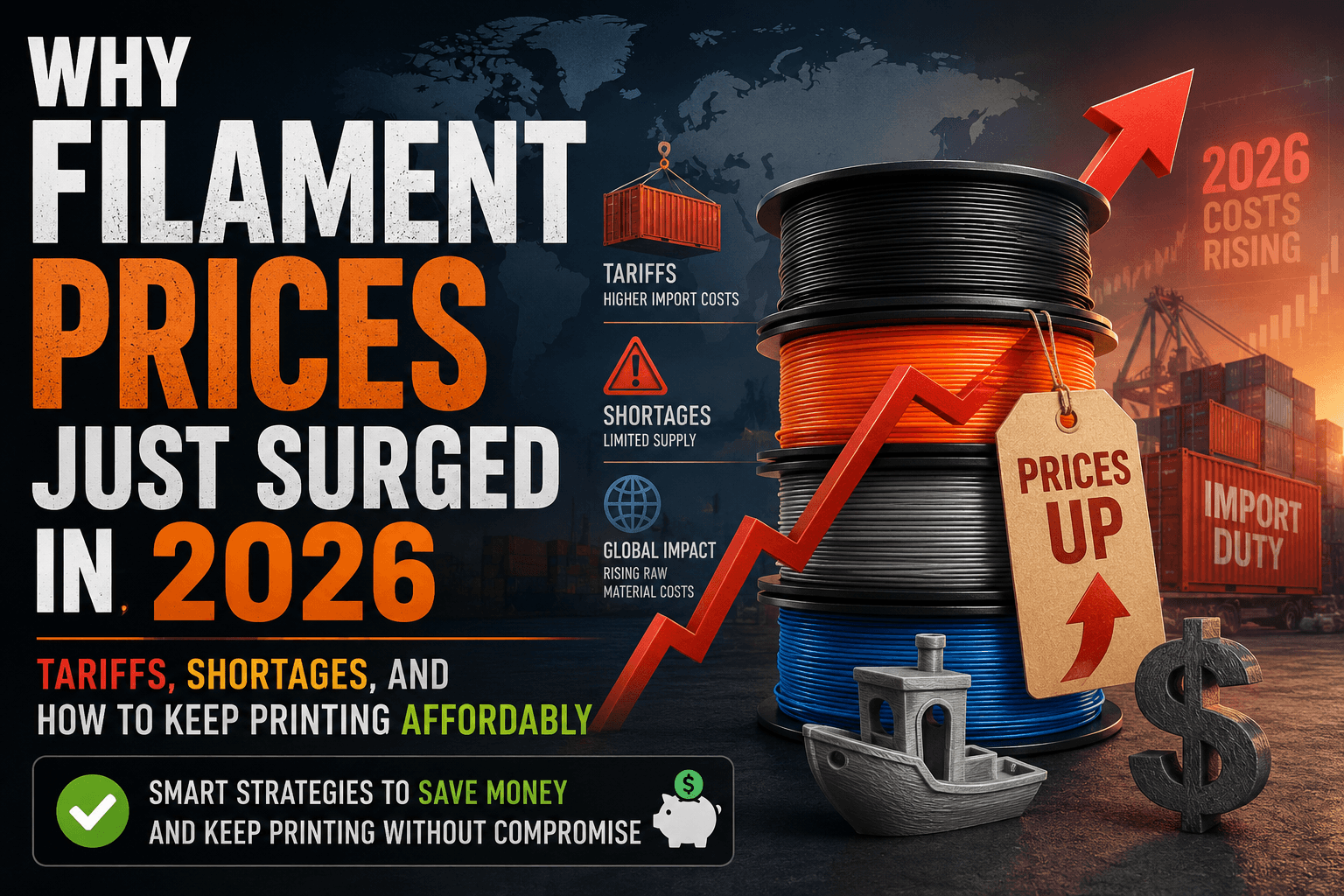
If your last filament order felt noticeably more expensive, you are not imagining it. Reporting in April 2026 pegged the recent run-up in 3D printing filament prices at roughly 59 percent, and basic PLA that sat near $18 per kilo earlier this year is now closer to $28 in many shops.
This article breaks down what is actually driving the spike, which materials are getting hit hardest, and the practical moves you can make right now to keep your cost-per-print under control without giving up the brands and materials you trust.
Note: Tariff rates and filament prices in 2026 have been volatile. The figures below are a snapshot as of May 2026 and may have changed since. Verify current prices and tariff rates before making purchasing decisions.
What Is Actually Happening to Filament Prices in 2026#
The headline number is dramatic, but the picture is uneven across materials.
- Basic PLA: roughly $18/kg in February has crept up toward $28/kg in many US shops (Yanko Design).
- PETG: reportedly up around 40 percent since 2023, with another bump in early 2026, per a single print-farm report (JCSFY). Treat this figure as approximate.
- TPU and specialty composites: many rolls now exceed $60, with some carbon fiber PLA and engineering blends climbing higher.
- Imported brand retail prices: typical bumps of 15 to 35 percent year over year (Forgely).
If you only print PLA for prototypes, the squeeze feels annoying. If you depend on TPU, ABS, ASA, or composite filaments for functional parts, it has gone from annoying to a real budget problem.
What Is Driving the Spike#
Three forces are stacking on top of each other. None of them are likely to fully reverse in 2026.
Tariffs on Chinese Imports#
US tariffs on Chinese imports rose sharply during the 2025 escalation. The widely cited peak near 145 percent in April 2025 came largely from IEEPA reciprocal and fentanyl-related tariffs, on top of the separate Section 301 layer (roughly 7.5 to 25 percent), not from Section 301 alone. Rates have fluctuated since the May 2025 truce, so treat any single figure as a snapshot. A huge share of the budget filament that hobbyists and small print farms rely on ships out of China, so the pass-through to retail was fast and broad.
This is the single biggest reason imported value brands lost their long-running price advantage almost overnight.
Petrochemical and Energy Costs#
Most filament is still a petrochemical product. Oil supply disruptions in late 2025 and early 2026 raised feedstock and energy costs for the resin pellets that brands buy before they ever extrude a spool. Even brands not directly hit by tariffs are paying more for raw material, and they are passing some of that on.
TPU Specifically Is in a Crunch#
TPU has had its own bad year. One print-farm report puts TPU availability down by a large margin (it cites roughly 60 percent) due to a mix of supply chain constraints and energy-intensive production. That figure comes from a single source, so treat it as approximate, but if you have noticed TPU stockouts at your usual store or watched your favorite shore hardness disappear, this is the likely cause.
Hidden Cost: Quietly Lower Quality#
Some importers are absorbing tariffs by cutting corners instead of raising prices. That can show up as thinner cardboard spools, looser diameter tolerances, and less rigorous QC (Forgely). The sticker price stays familiar, but you pay for it later in failed prints, more stringing, and worse first layers.
Tip: if a previously reliable budget brand suddenly starts misbehaving, do not assume your printer is the problem. Check the spool and the batch before you tear apart your hardware.
Who Wins, Who Loses#
The price shock is reshaping which brands look attractive.
- US-domestic brands like Atomic Filament and 3DXTech benefit because they carry zero tariff exposure on their finished filament and ship from inside the country, often in 2 to 3 days instead of 6 to 8 weeks.
- Premium global brands like Polymaker and Prusament are holding up better than no-name imports. Their prices were already in the premium tier, so the relative gap to budget filament has narrowed.
- Ecosystem brands like Bambu Lab are mostly holding price by leaning on their refill spool program, which strips out reusable cardboard and packaging from the per-roll cost.
- Anonymous Amazon brands are losing the most. Many of the cheapest listings have either jumped 30 percent or quietly cut quality, and both options hurt repeat buyers.
For the long view of who actually deserves your trust right now, the best 3D printer filament brands ranked post is the most up-to-date snapshot we have.
How to Keep Your Cost-Per-Print Low#
You cannot un-tariff the world, but you can stop paying for waste.
Buy the Right Material for the Job#
Cost-per-print is not just price-per-kilo. The most expensive roll on your shelf is the one you used for the wrong application and had to reprint.
- For visible prototypes and indoor parts, plain PLA is still the cheapest path. The full breakdown lives in PLA vs PETG: which should you use.
- For functional and outdoor parts, PETG, ASA, and ABS are usually a better bet than upgrading to engineering composites you do not need.
- Reserve TPU and composites for parts that genuinely require them, especially while TPU supply is tight.
Pick Brands That Hold Value#
Two strategies work right now: buy domestic to dodge tariff exposure, or buy proven premium brands that were not built to compete on the cheapest possible price in the first place. Hatchbox, eSUN, SUNLU, and Inland are still useful B-tier picks, but they are no longer automatic wins on price the way they were two years ago. Comparison shop more aggressively than you used to.
Stop Wasting Spools to Moisture#
A wet spool is a tax you pay on yourself. With prices up, the cost of throwing out a half-used roll of PETG or TPU because it absorbed too much moisture is much higher than it used to be. Read the how to dry and store filament guide and take the storage piece seriously. A $40 dry box pays for itself fast in 2026 dollars.
Embrace Refill Spools and Smart Tags#
Refill systems strip out the cardboard, plastic, and shipping weight from every reorder. They have been a slow-burn trend for a while, and the price spike is accelerating adoption. If you are running a Bambu printer, the refill system is a clear win. For everyone else, the broader push toward standardized refills, smart spool tags, and better PETG additives is worth watching, along with the open standard work happening at OpenPrintTag.
Watch for Restocks and Domestic Stock#
Bookmark a couple of US-stocked retailers and a couple of brand direct stores. With lead times doubled on imports, the brands and SKUs that are actually in stock locally are the ones that should anchor your shopping list. Buying what is in stock today, instead of waiting for a backordered favorite, will quietly save you the most money this year.
What to Watch Next#
A few things will shape the next 6 to 12 months:
- Recycled feedstock filament is starting to scale. Creality is publicly leaning on plastic scrap to bring supply costs back down, and brands like Filamentive are pushing recycled engineering polymers like rPA12 into the mainstream.
- US domestic capacity is the most important variable. If domestic extruders can scale up faster than tariffs come down, the import-vs-domestic price gap could close from the other direction.
- Refill spool standardization would meaningfully reduce per-roll costs across the whole hobby. The faster the industry agrees on a shared spool standard, the faster everyone benefits.
The 2026 filament market is not the cheap, easy market hobbyists got used to between 2018 and 2023. The buyers who come out ahead this year will be the ones who pick brands carefully, treat every spool like a real cost, and stop paying for waste they can avoid.
Want to put this into action? Browse the filament brand directory for current per-brand notes, dig into the filaments index to match material to application, or revisit the best filament brands ranked for a tier-by-tier shopping shortlist.
Related Articles
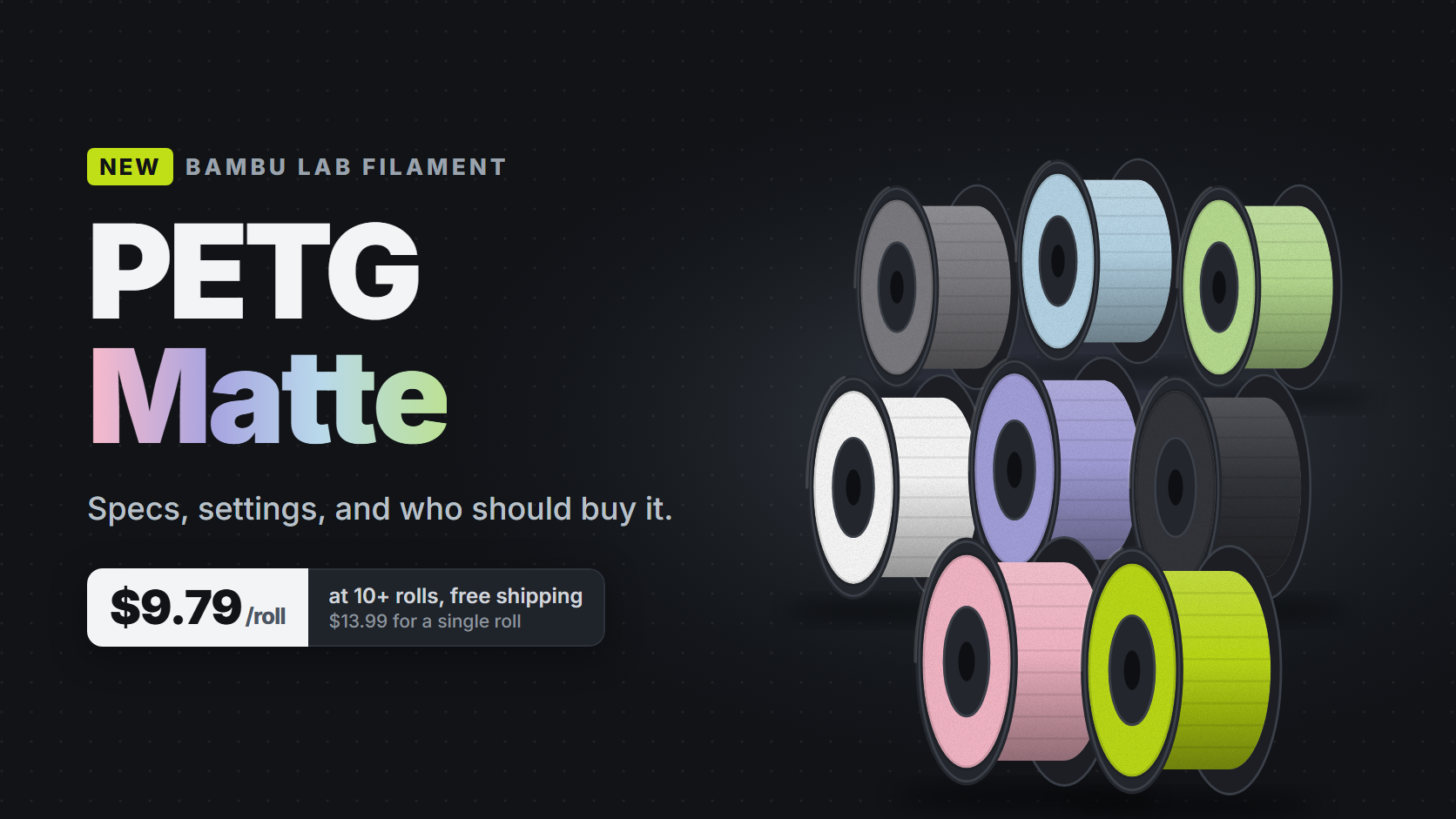
Bambu PETG Matte: Specs, Settings, and Who Should Buy It
Bambu Lab's new PETG Matte costs the same as PETG Basic, undercuts PLA Matte, and promises PLA-like printing with supports that peel off by hand. The spec sheet, the settings, and the catches.
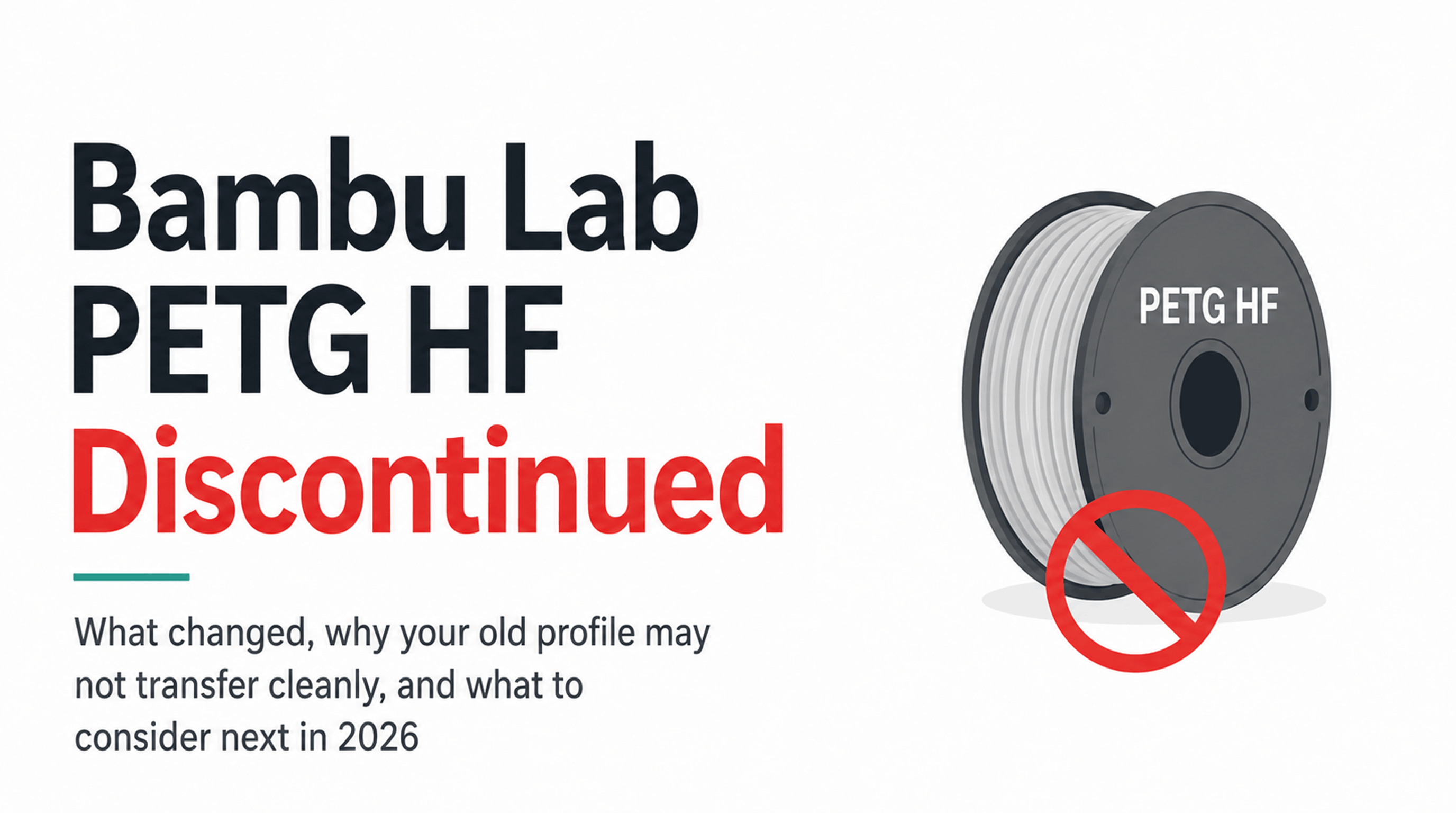
Bambu Lab Discontinued PETG HF: What to Use Instead in 2026
Bambu Lab quietly phased out PETG HF in most colors and replaced it with a reformulated PETG Basic. Here is what actually changed, why your old profile will not drop in cleanly, and the best high-speed PETG alternatives to switch to right now.

PFAS Is Coming for Your Filament Shelf: What the 2026 EU Ban Means for 3D Printing
The EU is finalizing the largest chemical restriction in its history, and it touches 3D printing filament more than most hobbyists realize. Here is what PFAS means for your spools, which materials are most at risk, and what to watch for through 2029.