OpenPrintTag: The Open-Source Smart Spool Standard That Could De-Fragment Filament Metadata
OpenPrintTag is an open NFC standard for filament data designed to work across brands and stay offline. Here is why it matters and how it could change spool management.
Josh Holtzclaw

A lot of printer ecosystems can read spool info (material type, color, settings, remaining weight), but they tend to do it in proprietary ways. That is convenient, but it locks "smart filament" into a single vendor's garden.
OpenPrintTag is an open-source initiative aimed at creating a universal NFC tag standard for 3D printing filaments. The idea is simple: put essential filament data directly on a tag that can be read when the spool is loaded.
Learn more at openprinttag.org, or check out Prusa's documentation and Tom's Hardware coverage for more background.
Why This Is Real News (Not Just a Hobby Project)#
This is not theoretical. Coverage around Prusa's launch highlighted OpenPrintTag as a practical attempt to open smart spool tagging across the ecosystem. Prusa documentation describes it as a single smart spool standard designed to work across brands and ecosystems, calling out offline operation and the ability to extend.
What Data Belongs on a Smart Spool Tag?#
At minimum, useful tags would include:
- Material — PLA, PETG, TPU, Nylon, etc.
- Color name
- Recommended nozzle and bed temperatures
- Drying guidance — or at least "dry before use" flags
- Filament diameter and tolerances
- Max volumetric flow suggestions — increasingly important with high-speed printing
The point is not that everyone uses the exact same slicer settings. The point is less guesswork and fewer "mystery spools."
Why Makers Should Care Even Without a Matching Printer#
OpenPrintTag becomes interesting when you think about workflow:
- If you run multiple printers, you want one tagging system
- If you buy filament from many brands, you want one inventory format
- If you store filament long-term, you want quick identification without relying on a box label
An open standard can also help community tooling (mobile apps, slicer plugins, inventory systems) because the data model is not gated.
What to Expect: Interoperability Pressure#
As printers get more automated (material presets, flow calibration, faster speeds), spool identification becomes more valuable. Open standards create pressure on closed ones because users like convenience but hate lock-in.
Practical Next Steps#
- Watch for which slicers support reading and writing tags directly
- Watch for which filament brands ship spools with tags by default
- If you track inventory in a spreadsheet or Notion, map your fields to a tag format
Related Articles
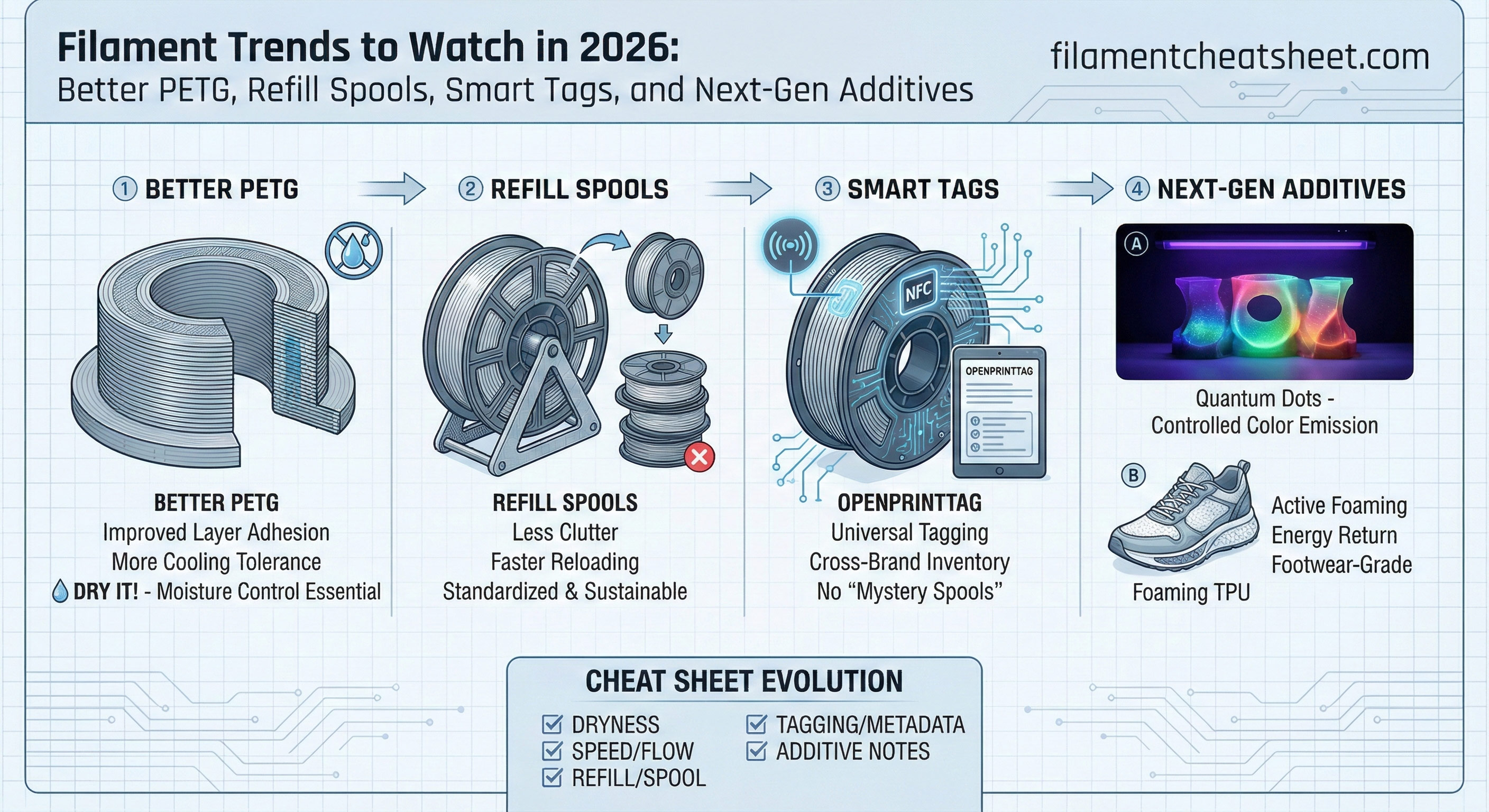
Filament Trends to Watch in 2026: Better PETG, Refill Spools, Smart Tags, and Next-Gen Additives
What is actually changing in filament right now, and what it means for print speed, reliability, waste reduction, and material selection.
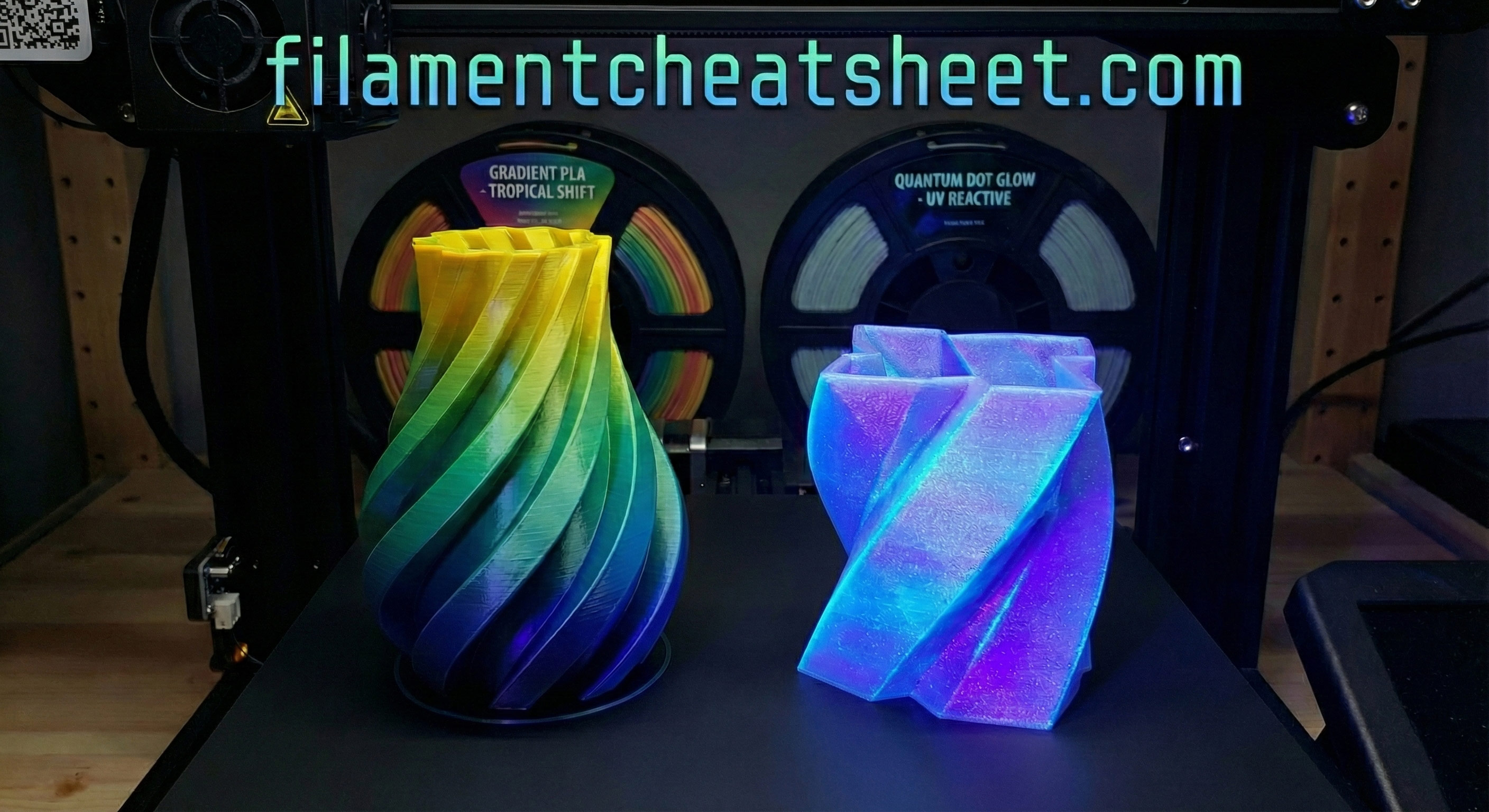
Filament Color Tech Gets Wild: Quantum Dots, Gradient PLA, and What Comes Next
From quantum dot glow effects to curated gradient PLA launches, color science is becoming a real filament battleground.